
Nuclear power plants are an essential part of modern electricity generation and state-of-the-art technology, but they require careful planning and operation.
History of nuclear power plants in Europe and beyond
Nuclear plants has emerged since the Second World War, when the use of nuclear energy for electricity generation began to be explored. The first time that nuclear reactor heat was used to generate electricity was on 21 December 1951 in the experimental Breeder Reactor I nuclear reactor, which powered four electric batteries. On 27 June 1954, the world's first nuclear power plant, the Obninsky plant in the USSR, was commissioned as part of a pilot project to produce electricity on a small scale. The first nuclear power plant dedicated solely to the production of electricity was the Shippingport plant in Pennsylvania, USA. It was connected to the grid on 18 December 1957.
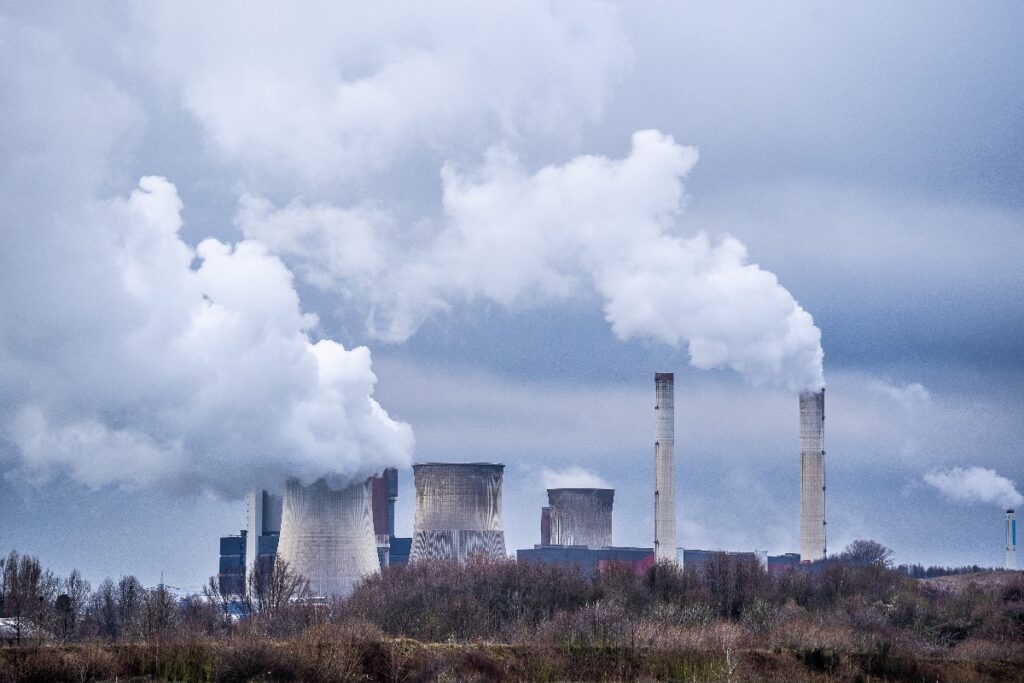
In the 1970s, nuclear power plants spread rapidly in Europe, North America and Japan. Following the 1986 Chernobyl disaster, safety requirements for nuclear reactors were strengthened. Since the 2000s, new nuclear reactors have been built with modern, higher-safety technologies, while nuclear power remains an important source of stable electricity worldwide.
Nuclear power plants currently in operation
By 2023, there will be 416 operating nuclear power plant reactors. The nearest Finnish nuclear plants to Estonia are Loviisa and Olkiluoto.
Finnish nuclear power plants
Finland has two nuclear power plants and a third has been under consideration. The Loviisa plant has two nuclear reactors, completed in 1977 and 1980. In 2023, the government approved the extension of the lifetime of the Loviisa plant by 20 years, to 2050. The Olkiluoto plant has three nuclear reactors, the newest of which started regular electricity production in 2023. The construction of a nuclear power plant on the Hanhikivi peninsula has been under consideration.
Nuclear power plants in Ukraine
Ukraine has four operating nuclear power plants, which provide about one third of the country's electricity. The main plants are:
- Zaporizhia nuclear power plant is Europe's largest nuclear power plant, producing about half of Ukraine's nuclear energy.
- Rivne nuclear power plant, which started operating in 1981 and has four reactors.
- Hmelnitskõi nuclear power plant, which started construction in 1981 and has two nuclear reactors.
- South Ukraine nuclear power plant, which was started in 1977 and became operational in 1983.
Other well-known Ukrainian nuclear power plants are Chornobyl nuclear power plant, the site of the 1986 nuclear disaster. Today, the Chernobyl site is mainly used for waste storage, research and nuclear safety monitoring.
Lithuanian nuclear plants
Ignalina nuclear power plant is a closed nuclear power plant in the east of Lithuania, which operated from 1983 to 2009. Visaginas nuclear power plant, but there were not enough supporters.
Other nuclear plants in Europe and the world
Nuclear power plants operate in 31 countries and produce around a tenth of the world's electricity. Most of them are located in Europe, North America and East Asia. The United States is the largest producer of nuclear power, while France generates about 65% of its electricity from nuclear power, the largest share in the world.
Is a nuclear power plant coming to Estonia?
The possibility of nuclear power was discussed as early as 2006, but for various reasons Estonia's interest in building a nuclear power plant waned until 2018, when plans were seriously considered again. To date Estonia's nuclear programme the second phase, which is to prepare for the conclusion of the contract and the construction of the new generation plant. The feasibility phase has been completed and the potential of nuclear energy in Estonia has been assessed. An in-depth analysis has been carried out on the technological, economic, environmental, social and security aspects of nuclear energy deployment.
The introduction of nuclear energy and the construction of a nuclear power plant in Estonia are the subject of in-depth discussions between various specialists and stakeholders. There is also active cooperation with international organisations. The development of nuclear energy is the responsibility of Fermi Energy.